
By Sarah Bennett — Independent Veterans Benefits Writer | Reviewed & updated July 28, 2026
Independent and non-government. This site is not affiliated with, endorsed by, or sponsored by the U.S. Department of Veterans Affairs (VA) or any government agency. For official information, visit VA.gov.
A Question Asked Quietly, and More Often Than You Think
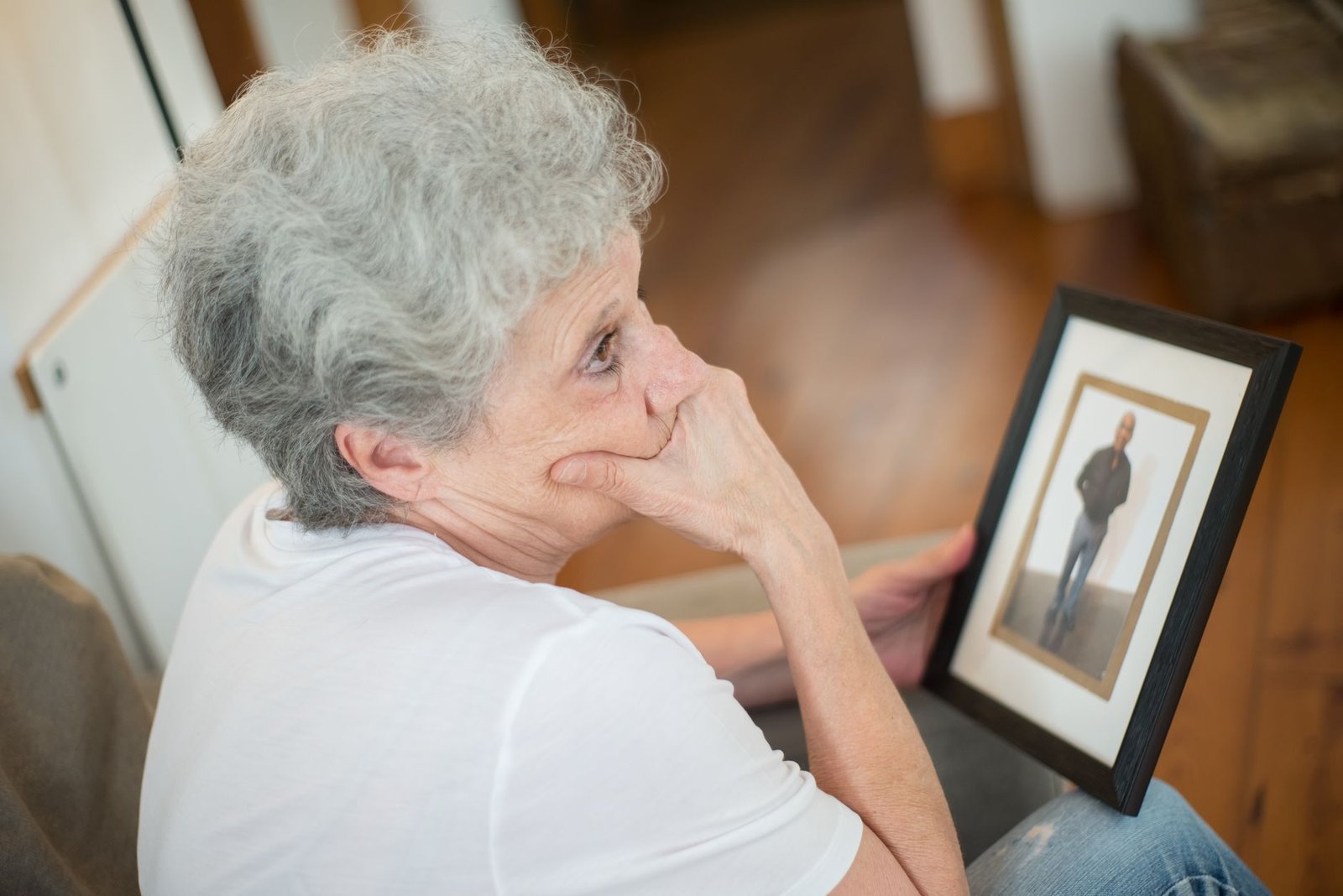
Surviving spouse remarriage and VA benefits is one of the most delicate questions widows and widowers of veterans ever bring to a benefits counselor — and one of the most common. After losing a husband or wife to mesothelioma or another service-connected illness, many survivors eventually find companionship again. Then comes the worry, often spoken in a near-whisper: “If I remarry, do I lose everything?”
The honest answer is: it depends — on which benefit you receive, on your age at remarriage, and on rules that Congress has changed more than once over the years. Some survivors who remarry keep their monthly payment; others see it end; and in certain situations a benefit that ended can be restored. Because these rules genuinely do shift, this guide explains the framework in plain language and points you to the official VA pages where the current details live, rather than pretending any single article can freeze the rules in place. Please treat this as a map, not a verdict, and confirm your own situation with the VA or a Veterans Service Officer before making any decision.
Part 1: The Benefits That Can Be Affected
Remarriage does not touch every survivor benefit the same way, so the first step is naming what you actually receive. The main programs in play are:
- Dependency and Indemnity Compensation (DIC) — the monthly, tax-free payment to eligible surviving spouses of veterans who died from a service-connected condition. This is the benefit most mesothelioma widows and widowers receive. The official overview is at VA.gov’s DIC page.
- Survivors Pension — a needs-based payment for surviving spouses of wartime veterans with limited income and assets; details at va.gov/pension/survivors-pension.
- CHAMPVA health coverage — health benefits for certain survivors.
- Education benefits (Chapter 35 / DEA) and home loan guaranty eligibility for surviving spouses.
Each program has its own remarriage rule. A change that ends one benefit may leave another intact, which is exactly why blanket statements — in either direction — cause so much unnecessary heartache.
Part 2: How Surviving Spouse Remarriage and VA Benefits Interact — the General Framework
Here is the shape of the rules, stated carefully. For DIC, remarriage before a certain age generally ends the benefit, while remarriage on or after that age generally allows a surviving spouse to keep it. Congress has adjusted that age threshold over the years — most recently lowering it — so we deliberately are not printing a number here as if it were permanent. The current threshold, and the effective dates that go with it, are stated on the VA’s official DIC pages and in the governing regulation at 38 CFR § 3.55.
A few more pieces of the general framework:
- Survivors Pension is generally ended by remarriage at any age, because it is a needs-based benefit tied to being an unremarried surviving spouse.
- CHAMPVA and education benefits have their own age-based and situation-based remarriage rules, which do not always match the DIC rule.
- Timing matters enormously. Whether a marriage occurred before or after a rule’s effective date can determine the outcome, which is why two widows in the same town can have different results.
If one theme runs through all of this, it is that the date on a marriage certificate can carry real financial weight, and no one should rely on secondhand summaries — including this one — when an official answer is a phone call away.
Part 3: When a Benefit That Ended Can Come Back
Here is the part many survivors never hear: losing a benefit through remarriage is not always permanent. Under longstanding rules, a surviving spouse whose later marriage ends — through death, divorce, or annulment — can generally apply to have DIC or other survivor benefits restored, subject to the requirements in effect at the time. The VA does not restore anything automatically; you must notify the VA and apply.
This matters in real lives. A widow who remarried young, lost her DIC, and was widowed again decades later may be able to return to the benefit rolls. Restoration questions are exactly the kind of situation where a Veterans Service Officer earns their keep, because the interplay of dates, marriages, and rule changes is intricate, and the VA decides each case on its own facts. The safest posture is simple: if your circumstances change in any direction — a new marriage, the end of a marriage — report it to the VA promptly and ask, in writing, what it means for your benefits. Prompt reporting protects you from overpayments the VA would later collect, and prompt asking sometimes reveals money you did not know you could reclaim.
Part 4: Special Situations Mesothelioma Families Should Know
Because this site serves families affected by asbestos-related illness, a few adjacent points deserve a brief mention — brief, because each is its own subject:
- DIC eligibility itself. DIC generally requires that the veteran’s death was connected to service — for example, a mesothelioma linked to military asbestos exposure. If the claim process was still underway at the veteran’s death, survivors may be able to continue or file it; our guide to expedited handling for seriously ill veterans touches on why filing early protects the family.
- Annual adjustments. DIC amounts change each year with the national cost-of-living adjustment; see our explainer on how the yearly benefit adjustment works and always confirm current figures on VA.gov rather than trusting quoted numbers. As of the 2026 rate tables, current DIC amounts are published on the VA’s official rate pages.
- Grief is not a paperwork problem. Bereavement counseling for surviving spouses and children is free through the VA’s Vet Center program; our companion article on free counseling for veterans’ families explains how to reach it. Decisions about remarriage and benefits are easier to weigh from steadier ground.
Part 5: How to Get an Official Answer Before You Decide — Step by Step
Questions about surviving spouse remarriage and VA benefits deserve an official answer, not a guess. If remarriage is on your horizon, or has already happened, here is a calm sequence to follow:
- Step 1 — List your benefits. Write down exactly what you receive: DIC, Survivors Pension, CHAMPVA, education benefits, and any state-level survivor benefits, which have their own rules.
- Step 2 — Read the current official rules. Start with the VA’s DIC and survivor pages at va.gov’s family and survivor benefits section and the regulation text at ecfr.gov.
- Step 3 — Ask the VA directly. Call 800-827-1000 or ask through your VA.gov account, and note the date and substance of the answer.
- Step 4 — Sit down with a VSO. A Veterans Service Officer from the VFW, DAV, American Legion, or your county office can review your specific dates and documents at no cost.
- Step 5 — Report changes promptly. If you do remarry, notify the VA right away. Continuing to accept payments you are no longer entitled to creates an overpayment debt — a painful surprise that prompt honesty entirely avoids.
- Step 6 — Keep everything. Marriage certificates, divorce decrees, death certificates, and VA letters. Restoration claims years later live or die on these documents.
Part 6: What Remarriage Does Not Change
It helps to close the framework with what stays put. Remarriage by a surviving spouse generally does not affect:
- The children’s benefits. DIC paid for the veteran’s eligible children, and their education benefits, follow the children’s own eligibility — not the surviving parent’s marital status.
- Benefits already properly paid. Lawfully received past payments are not clawed back because you later remarry; only ongoing entitlement changes.
- Your history and standing. Remarriage does not erase your status as the widow or widower of a veteran in matters like memorial affairs, and burial-related questions have their own rules worth asking about separately.
And one thing that should be said plainly, because survivors sometimes carry unearned guilt: choosing to remarry is not a betrayal of the veteran you lost, and the benefits system does not exist to judge that choice. The rules are financial plumbing, not moral commentary. Your task is only to understand the plumbing before you turn the tap.
Frequently Asked Questions
Will I always lose DIC if I remarry?
No. Remarriage on or after the age threshold set by current law generally allows a surviving spouse to keep DIC, while remarriage before that age generally ends it. Because Congress has changed the threshold over the years, confirm the current rule on the VA’s official DIC page or with a VSO before deciding anything.
What is the current age cutoff for keeping DIC after remarriage?
We deliberately do not print a fixed number, because the threshold has been amended before and could change again. The controlling figures are stated on VA.gov’s DIC pages and in 38 CFR § 3.55, and a VSO can confirm how they apply to your specific dates.
Does remarriage affect my children’s VA benefits?
Generally no. Benefits paid based on the children’s own eligibility, including their DIC amounts and education benefits, are not ended by the surviving parent’s remarriage.
If my new marriage ends, can my survivor benefits be restored?
Often, yes — if a later marriage ends in death, divorce, or annulment, a surviving spouse can generally apply for restoration of benefits, subject to the rules in effect at the time. Restoration is not automatic; you must apply and provide documentation.
Do I have to tell the VA if I remarry?
Yes, promptly. Continuing to receive payments after entitlement ends creates an overpayment the VA will seek to recover. Reporting right away keeps a hard season from acquiring a debt on top of it.
Does remarriage affect CHAMPVA or Survivors Pension the same way as DIC?
No — each program has its own rule. Survivors Pension is generally ended by remarriage regardless of age, and CHAMPVA has its own age-based provisions. Check each benefit you receive individually.
Where can I get free, personalized help with this decision?
A Veterans Service Officer through the VFW, DAV, American Legion, or your county veterans service office will review your situation at no charge. For the emotional side, Vet Center bereavement counseling is free for surviving families.
Resources
- VA — Dependency and Indemnity Compensation (DIC) — eligibility, current rules, and how to apply.
- VA — Survivors Pension — the needs-based benefit and its requirements.
- 38 CFR § 3.55 — the regulation governing reinstatement of benefits eligibility after remarriage.
- VA — Family and Survivor Benefits — the full menu of survivor programs, including CHAMPVA and education benefits.
- VA benefits hotline: 800-827-1000. To find a Veterans Service Officer, contact your local VFW, DAV, or American Legion chapter, or your county veterans service office.
Final Thoughts: Room for Both Loyalty and a Future
The rules around surviving spouse remarriage and VA benefits exist to draw administrative lines, not to measure love or loyalty. Whatever you decide, decide it with current, official information in hand — the VA’s own pages, a dated answer from the VA itself, and a VSO who has looked at your actual documents. Survivors of veterans have already done the hardest thing a family can do. Getting a clear answer before a wedding date is simply one more act of the same steady care you have shown all along, and you are allowed to build a future while honoring the past.
Medical disclaimer: This article is for informational purposes only and is not medical advice, diagnosis, or treatment. Consult a licensed physician or your VA care team about your specific situation.
Legal disclaimer: This article is for general information only and is not legal advice and does not create an attorney-client relationship. Consult a VA-accredited attorney, claims agent, or a Veterans Service Officer (VSO) about your specific claim.